Everyday Nail Care Basics: A Simple At-Home Routine That Actually Works
Everyday nail care basics come down to three habits: keep nails dry and clean, moisturize daily, and stop using them as tools. That’s the whole foundation. Everything past that — filing technique, cuticle oil, monthly check-ins — just builds on those three habits instead of replacing them. Here’s how to actually build the routine, not just know the theory.
Why Nail Health Actually Matters, Not Just Nail Looks
Your nails aren’t just decoration. According to the American Academy of Dermatology, nails reflect your overall health — discoloration, ridging, and brittleness can all point to something happening underneath the surface, not just dryness. That’s the real reason a nail care routine is worth building properly, rather than treating nails as an afterthought squeezed in before a manicure.
There’s also a simpler, more selfish reason to care: damaged nails are genuinely harder to work with. Chipped polish, snagging on fabric, hangnails that catch on everything — a lot of that traces back to skipping the basics for weeks at a time.
What Should a Daily Nail Care Routine Actually Include?
Daily care is the part people skip because it feels too small to matter. It isn’t. Here’s what belongs in it:
- Keep hands dry after washing. Damp nail beds are where bacteria and fungi thrive. Thirty seconds of actually drying between fingers, not just wiping the surface, makes a real difference over time.
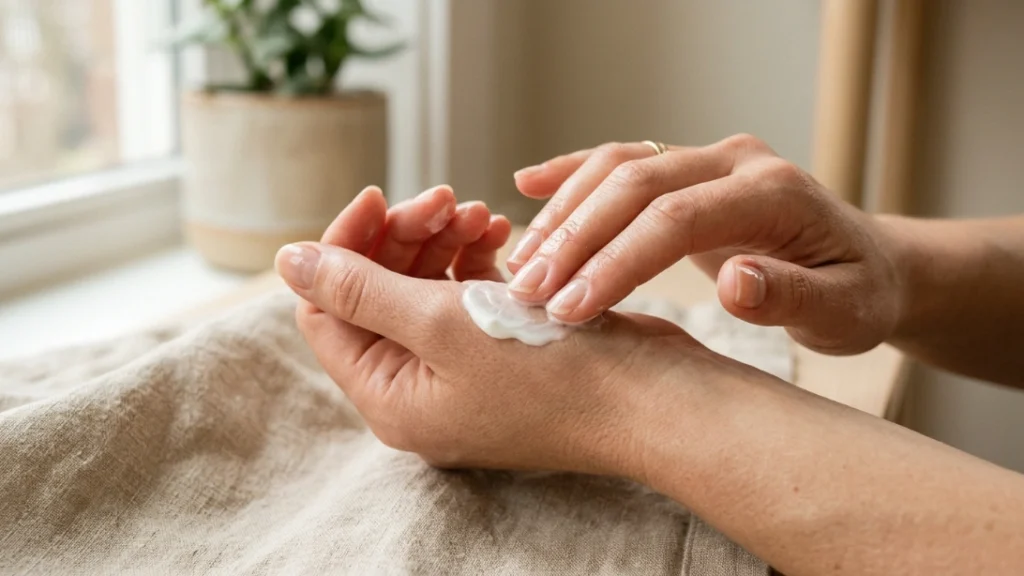
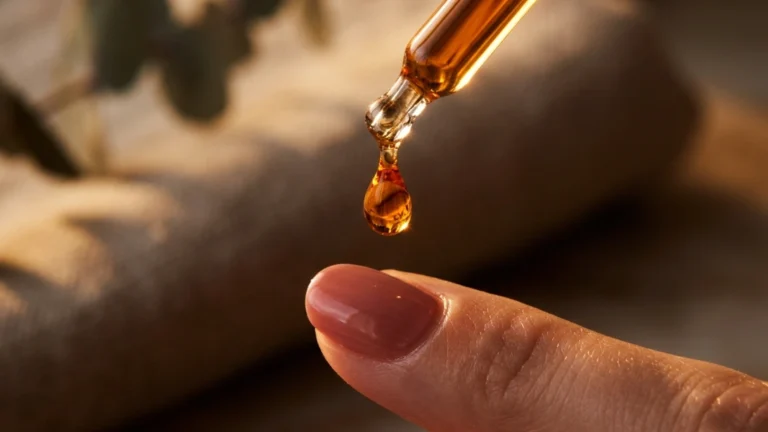
- Moisturize hands and cuticles, not just skin. Most people rub lotion into their palms and stop. Push a little into the cuticle area too — that’s the part that actually cracks first.
- Stop using nails as tools. Opening cans, scraping stickers, prying phone cases — every one of these is a tiny stress fracture waiting to happen. Keep a flathead tool in a drawer instead.
- Wash with lukewarm water, not hot. Hot water strips natural oils faster than lukewarm does, and repeated hot washes over months quietly contribute to brittle, peeling nails — a link most people never connect back to their hand-washing habits.
Hand sanitizer deserves a mention here too. It’s convenient, but the alcohol base dries out cuticles fast with repeated daily use. A dab of hand cream right after sanitizing undoes most of that damage in about five seconds.
None of this takes more than two extra minutes a day. That’s really the whole pitch — daily nail care basics aren’t a project, they’re a habit stacked onto something you already do.
The Weekly Reset: Filing, Buffing, and Cuticle Care
Once a week, go a level deeper than the daily habits.
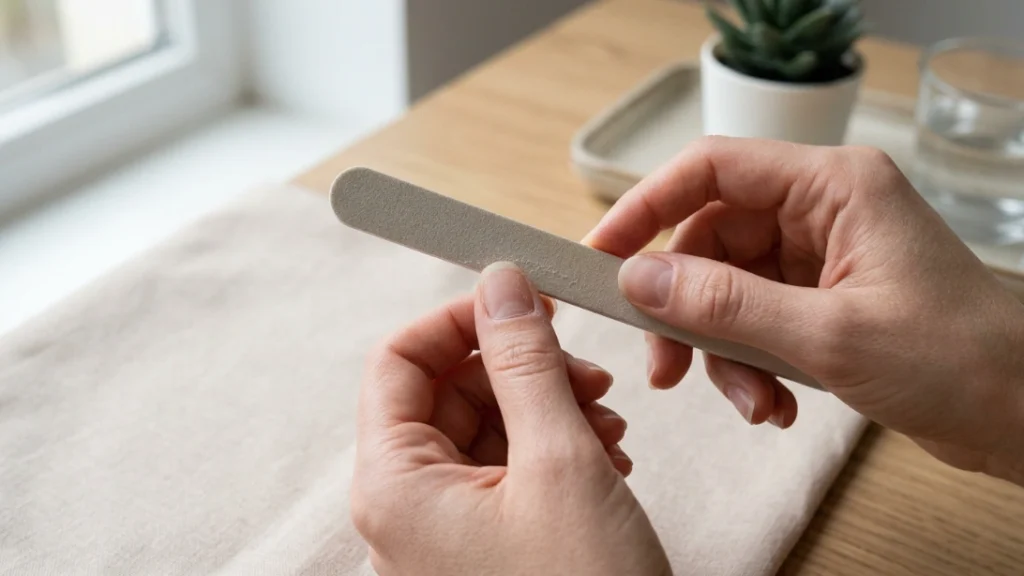
File in one direction. Sawing back and forth is the single most common filing mistake, and it’s the fastest way to weaken the nail edge. Pick a direction, file from the outer edge toward the center, and stop.
File dry nails only. Wet nails are softer and tear more easily under a file. If you just got out of the shower, wait.
Push back cuticles gently — never cut them. A cuticle stick after a warm-water soak is enough. Cutting cuticles removes a natural barrier that’s actually protecting the nail bed from infection.
Buff lightly, not aggressively. A quick buff smooths ridges and gives polish something to grip. Over-buffing thins the nail plate and makes nails more prone to peeling — once a week is the ceiling, not a starting point.
A warm-water soak for two or three minutes before any of this makes cuticles noticeably easier to work with. Skip the soap — plain warm water softens skin without stripping the oils a full hand wash would.
Tools Worth Keeping On Hand
You don’t need a drawer full of equipment to keep up with everyday nail care basics. A short list covers almost everything:
- A glass or fine-grit file. Gentler than an emery board and it lasts longer, which matters if you’re filing weekly rather than occasionally.
- A cuticle stick, metal or wood. Either works — the point is gentle pushing, not scraping.
- A basic hand cream with real grease in it, not just a light lotion. Thicker creams sit on skin longer, which matters most right before bed.
- A non-acetone remover for everyday color changes, with a small bottle of acetone kept separate for glitter or gel that genuinely needs it.
- A buffer block with clearly separated grit levels, so it’s obvious when to stop.
None of this needs to be expensive. A basic version of each, replaced when it wears out, does the job just as well as a premium set.
What Belongs in a Monthly Nail Check-In?
This is the step most at-home routines skip entirely, and it’s the one dermatologists actually flag as important. Once a month:
- Look closely at each nail for new ridges, dark spots, or discoloration that wasn’t there before. Most of the time it’s nothing. Occasionally it’s worth a dermatologist visit — the AAD specifically calls out unexplained changes as a reason to get checked, not just a cosmetic annoyance.
- Give your nails a short break from polish if you’ve been wearing color continuously. Bare nails for even a few days lets you actually see what condition they’re in underneath.
- Trim, don’t just file, if length has crept past comfortable. Cut straight across, then round the corners slightly with a file — cutting a curve directly tends to create weak points at the sides.
Diet plays a quieter role here too. Nails are made largely of keratin, and keratin production depends on adequate protein and biotin intake — real deficiencies show up as brittleness or slow growth, though most people eating a reasonably varied diet aren’t actually short on either. Hydration matters more day-to-day than people expect: chronically dehydrated nail beds peel at the tips more easily, the same way dry skin cracks faster than moisturized skin. Neither replaces the physical routine above — they support it.
Daily vs. Weekly vs. Monthly, At a Glance
| Frequency | What to Do | Why It Matters |
|---|---|---|
| Daily | Dry hands fully, moisturize cuticles, avoid using nails as tools | Prevents the small damage that compounds over weeks |
| Weekly | File in one direction, push (don’t cut) cuticles, light buffing | Maintains shape and grip without thinning the nail |
| Monthly | Inspect for changes, take a polish break, trim if needed | Catches real problems early and resets nail condition |
Mistakes That Quietly Undo a Good Routine
My honest take: I used to think buffing more often meant shinier, stronger nails. It’s the opposite — I buffed every few days for a month and ended up with nails so thin they peeled at the tip for weeks afterward. Once a week, lightly, is genuinely the limit.
A few other habits worth dropping:
- Biting hangnails instead of clipping them. Biting tends to tear live skin along with it, which is exactly the kind of small injury that invites infection.
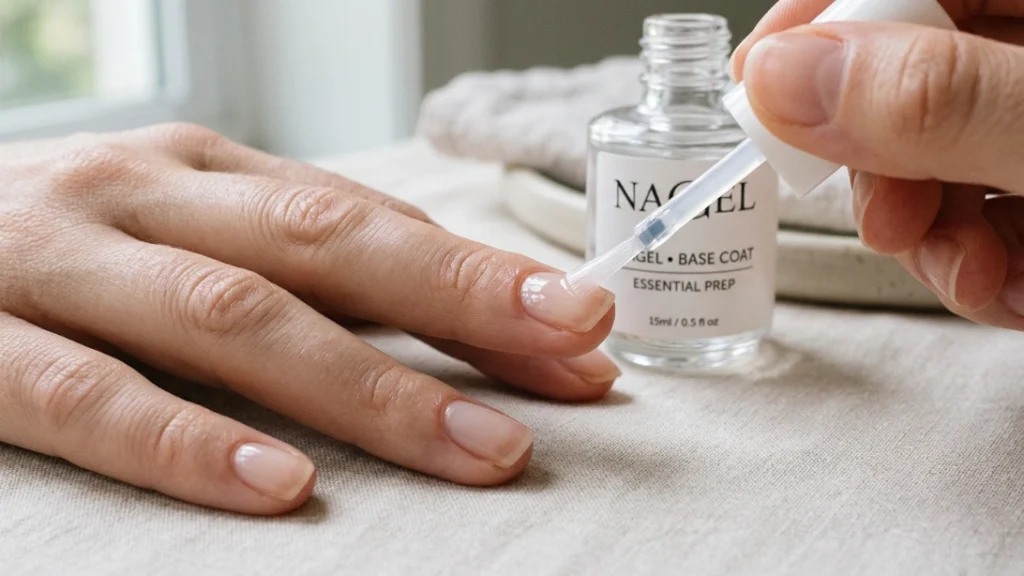
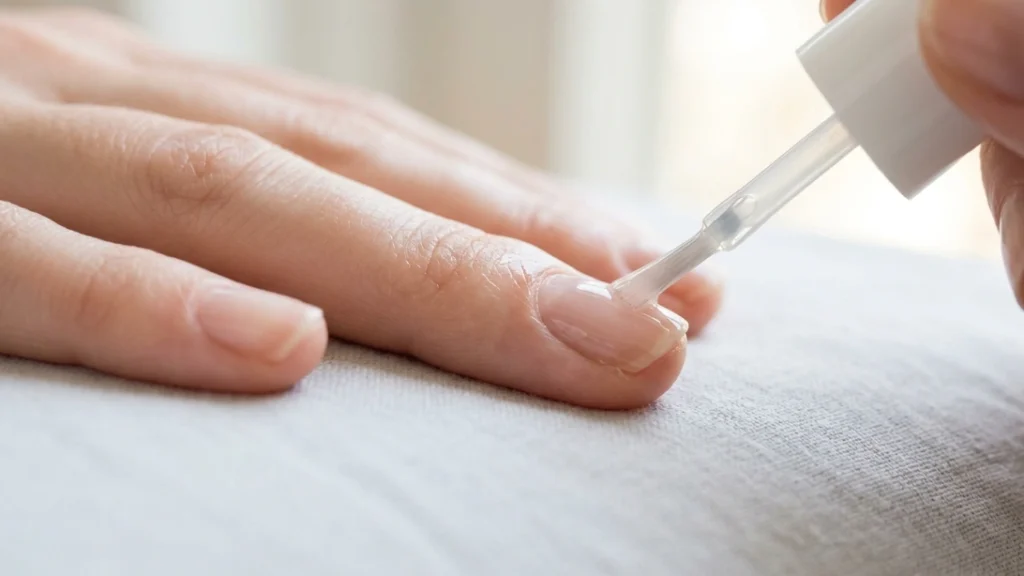
- Skipping base coat “just this once.” Polish pigment stains bare nail directly, and thin nails without a barrier chip faster regardless of how good the top coat is.
- Acetone remover for every single change. It’s effective, but it’s also drying with repeated use. A non-acetone remover for quick color swaps saves the harsher stuff for when you actually need it.
- Ignoring hand cream in winter. Cold, dry air pulls moisture out of skin and nails faster than most seasons, yet it’s exactly when people tend to reach for cream less, not more.
Quick FAQ
How long does it take to actually see healthier nails? Nails grow slowly — roughly 3mm a month on average — so most visible improvement from a consistent nail care routine shows up over 8 to 12 weeks, not days. Give any new habit a full growth cycle before judging it.
Do I need special products, or will basic drugstore options work? Basic works fine. A plain moisturizing hand cream, a non-acetone remover, and a decent base/top coat cover the fundamentals. Specialty cuticle oils and treatments help, but they’re an upgrade, not a requirement.
Is it bad to wear nail polish all the time? Not inherently, but going weeks without any break makes it harder to spot early signs of damage underneath the color. A few polish-free days once a month is enough to check in.
Does diet actually affect nail strength? To a point. Severe biotin or protein deficiency can cause visibly brittle nails, and correcting it often improves things within a few months. For most people eating a normal, varied diet, though, the bigger lever is still the physical routine — moisturizing, gentle filing, and not skipping base coat — rather than supplements.
Building the Habit, Not Just the Routine
None of this is complicated — that’s actually the point. Everyday nail care basics work because they’re small enough to stick, not because they’re clever. Once the daily habits are automatic, the weekly and monthly layers take almost no extra thought.
If you’re planning a specific look on top of this routine, our French manicure guide walks through prepping nails the same way before applying any design, and our nail growth tips page goes deeper if length, not just health, is the goal.
One Comment