Cuticle Oil: Do You Actually Need It Every Day?
Short answer: yes, for most people, once a day is genuinely worth doing, and it’s one of the lowest-effort habits in all of nail care for the payoff it delivers.
If you’ve been wondering whether the “do you need cuticle oil daily” advice is real or just marketing, the longer answer depends on your hands specifically, how often they’re in water, what you’re currently wearing on your nails, and how dry the air around you is on any given day.
This isn’t a product pushed on you by every nail account for no reason. If you’ve asked yourself do you need cuticle oil daily and felt unsure, know that it’s one of the few nail-care steps where the daily-use advice genuinely holds up once you look at why it works, not just that people say it does.

What Cuticle Oil Is Actually Doing
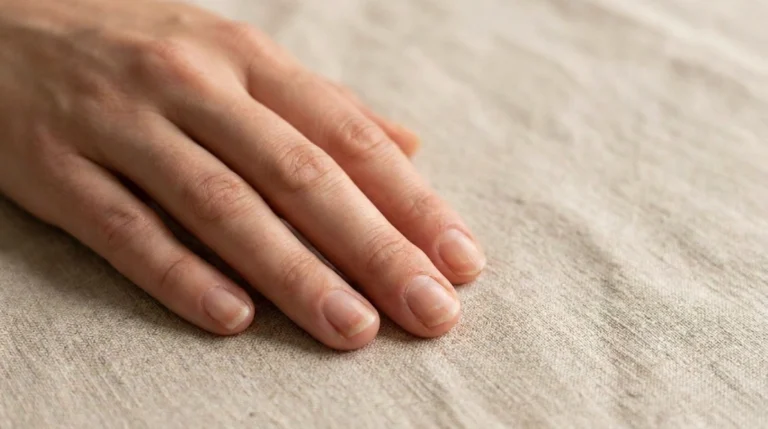
The cuticle is the thin strip of skin at the base of the nail, and it acts as a seal protecting the nail matrix underneath, the area responsible for producing new nail growth.
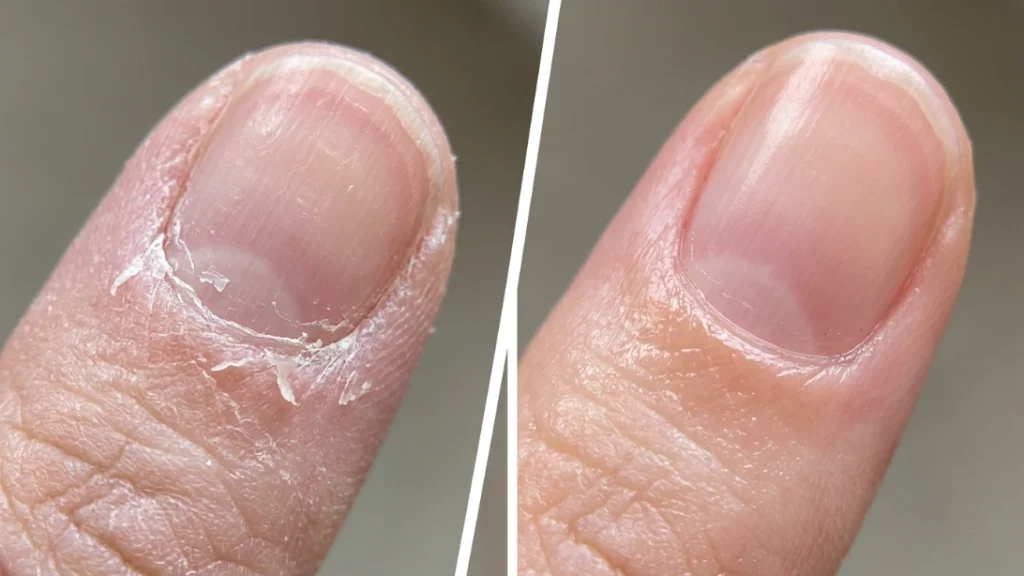
When that seal dries out, it cracks, peels, or lifts, which is exactly what a hangnail is. Cuticle oil works by replenishing moisture in that skin and the surrounding nail plate, keeping the seal flexible instead of brittle.
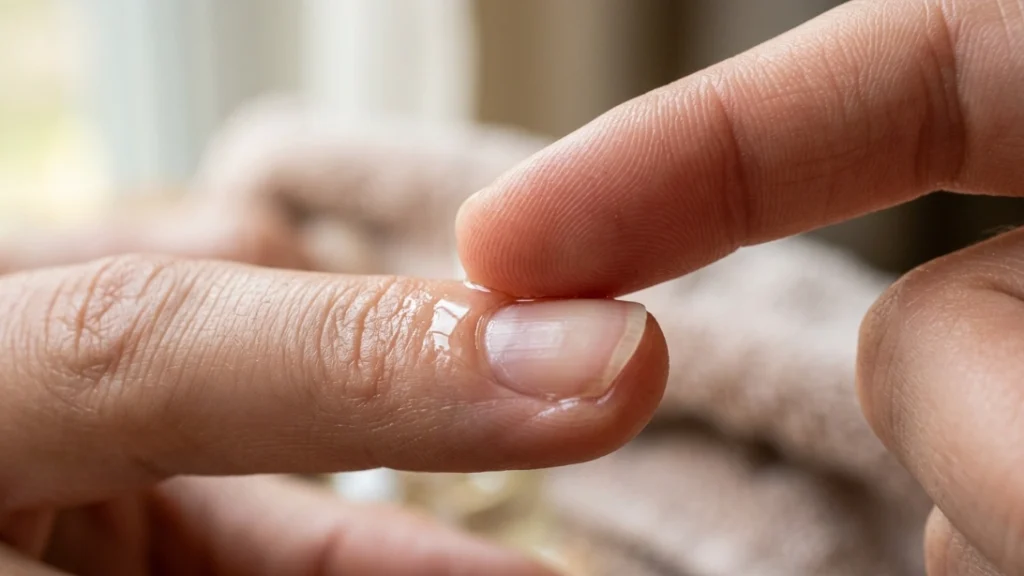
This matters more than it sounds like it should. A cracked, dry cuticle isn’t just uncomfortable, it’s an open door for irritation and infection right at the base of the nail, and it also affects how polish or gel sits once it’s applied, since a rough, dry cuticle line makes even a fresh manicure look tired days sooner than it should.
So, Do You Actually Need Cuticle Oil Daily?
For most people, once a day is a genuinely useful baseline, not an exaggerated marketing claim. Applying it before bed lets the oil absorb overnight without immediately being washed off by the next round of hand-washing, which makes evening application the most efficient single slot if you’re only doing it once.
That said, “once daily” is a floor, not a ceiling, and plenty of situations call for more.
Once a day fits you if: your hands aren’t in water constantly, you don’t currently have visibly dry or peeling cuticles, and you’re mostly maintaining rather than repairing.
Twice a day fits you if: you wear gel, acrylic, or dip powder regularly, since the enhancement and removal process tends to dry out the surrounding skin more than bare nails experience, or if your cuticles already look a little rough and you’re trying to turn that around.
Three to four times a day fits you if: your hands are in water frequently through work or daily chores, you use hand sanitizer often, you’re dealing with winter air indoors, or your cuticles are actively cracked, peeling, or recovering from a rough gel or acrylic removal. This higher frequency is really a short-term recovery dose more than a permanent routine, once things improve, most people can taper back down to once or twice daily.
Does Your Nail Type Change the Answer?
Not dramatically, but it’s worth a quick mention. Natural, unenhanced nails tend to need slightly less frequent oiling than nails wearing gel, acrylic, or dip powder, simply because the enhancement process and its removal both pull moisture from the surrounding skin more aggressively than bare nails experience day to day. If you’re someone who cycles between bare nails and enhancements throughout the year, it’s worth adjusting your frequency along with that cycle rather than sticking to one fixed number regardless of what’s actually on your nails at the time.
People who bite their cuticles or pick at hangnails also tend to need more frequent application, since that habit creates small breaks in the skin that heal more slowly without consistent moisture support. In that specific case, the question of whether you need cuticle oil daily has a much clearer answer: yes, and probably more than once.
Does It Matter Which Time of Day?
Not dramatically, but there are a few practical sweet spots worth building into your routine rather than applying it randomly. Right before bed is the single most efficient moment, since your hands aren’t about to touch water or soap for several hours afterward, giving the oil real time to absorb rather than getting rinsed away within minutes.
Right after washing your hands is the second-best slot, since that’s the exact moment your skin’s natural oils have just been stripped and are most in need of replacing.
If you can only manage one application a day, bedtime wins. If you’re building toward two or three, layering a morning or post-handwash application on top of a nightly one covers the bases without much extra thought.

Can You Actually Overdo It?
Not in any harmful sense. Cuticle oil isn’t something you can meaningfully overuse the way you might overdo a stronger active skincare ingredient. The only real downside to applying it too often or too heavily is a greasy residue left behind if you use more than your skin can actually absorb in one sitting. A small amount, worked in gently rather than pooled on top, avoids that entirely regardless of how many times a day you’re applying it.
What This Looks Like in a Real Routine
Rather than treating this as a rigid schedule to follow perfectly, it helps to think of cuticle oil the way you’d think of lip balm, something you reach for when you notice the need, with a baseline habit underneath that need.
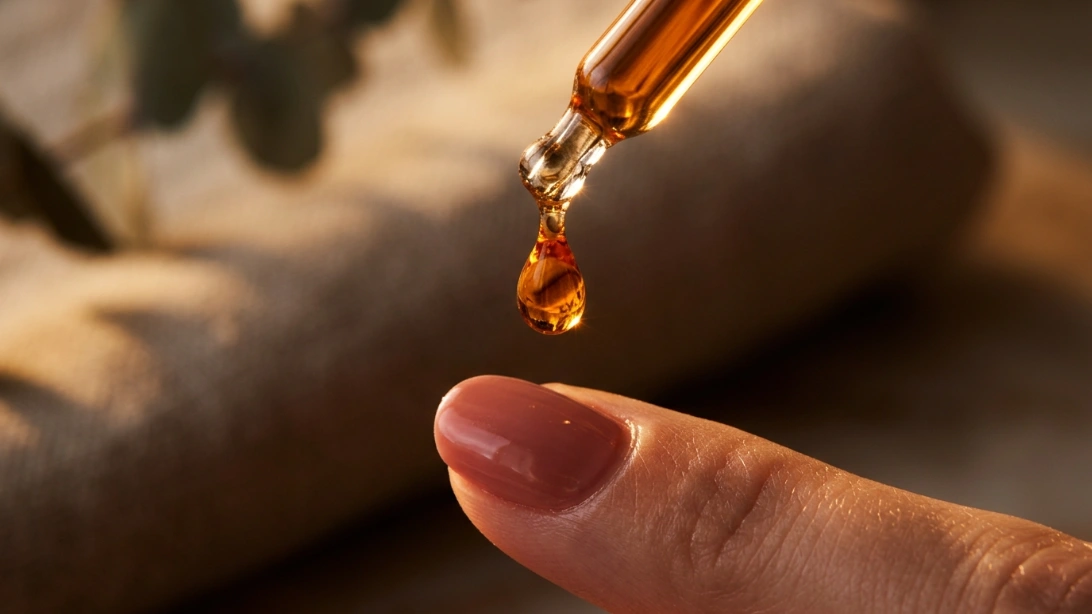
A drop before bed every night is the non-negotiable floor. From there, keeping a small bottle in a bag or at a desk makes it easy to add a midday touch-up on days your hands have been through more than usual, dishes, cold weather, an extra-long shower, without turning the whole thing into a chore you have to remember on a strict timer.

Quick FAQ
Do you need cuticle oil daily if you don’t get manicures? Yes, cuticle health matters independent of whether you’re wearing polish. Bare nails still have a cuticle seal that benefits from daily moisture, and skipping oil just because there’s no polish involved is a common but avoidable gap in a lot of people’s routines.
What happens if you stop using cuticle oil after using it daily? Nothing dramatic happens immediately, but the protective, flexible quality it maintains gradually fades, and cuticles typically return to their previous dryness level within a week or two of stopping, depending on your natural skin type and environment.
Can cuticle oil fix already damaged cuticles, or just prevent damage? It genuinely helps with both. Consistent daily use softens and repairs cuticles that are already dry or peeling, not just maintains ones that are already healthy, though more severe cracking or bleeding is worth a quick look from a professional rather than oil alone.
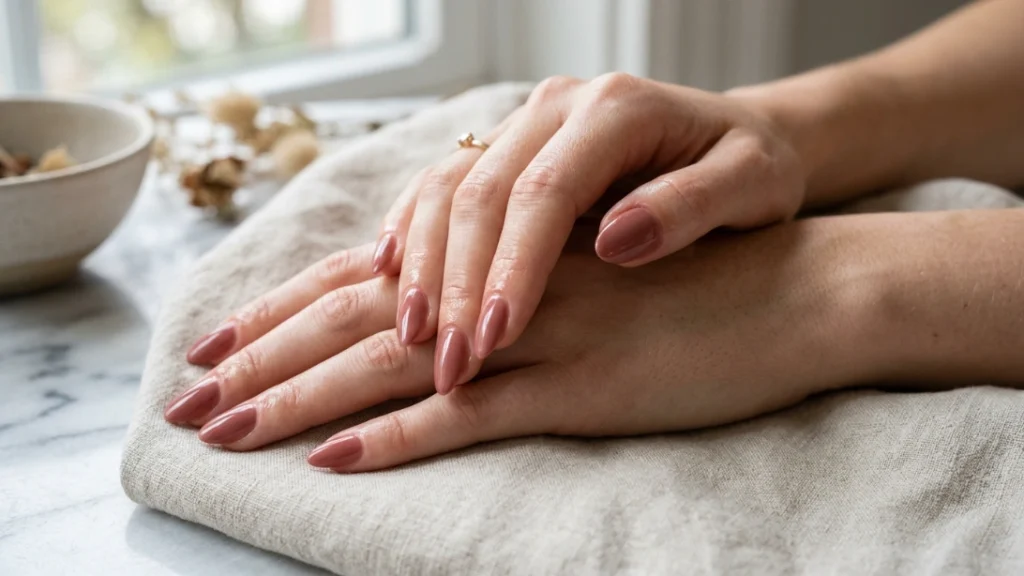
According to the American Academy of Dermatology’s healthy nail tips, keeping cuticles moisturized is one of the core, dermatologist-recommended habits for overall nail health, right alongside avoiding harsh removal techniques and giving nails a break between enhancements. Our DIY nail care guide has more everyday habits worth building into your routine alongside this one, and our nail care tips page covers what to do if dryness has already turned into peeling or breakage.