Why Do My Nails Keep Breaking? Common Causes Explained
If your nails keep breaking, the most common culprits are dehydration, over-filing, harsh removal of gel or acrylic, and everyday friction from things like typing, dishes, or gardening. Most breakage isn’t a sign of a serious problem — it’s usually a fixable habit or product issue, and it typically clears up within a few weeks once you change what’s causing it.
That said, breakage that keeps happening in the exact same spot, or nails that are also discolored or painful, is worth a quick check with a doctor rather than more guessing at home. This post covers the common, everyday causes — not medical ones.
Is It Normal for Nails to Break This Often?
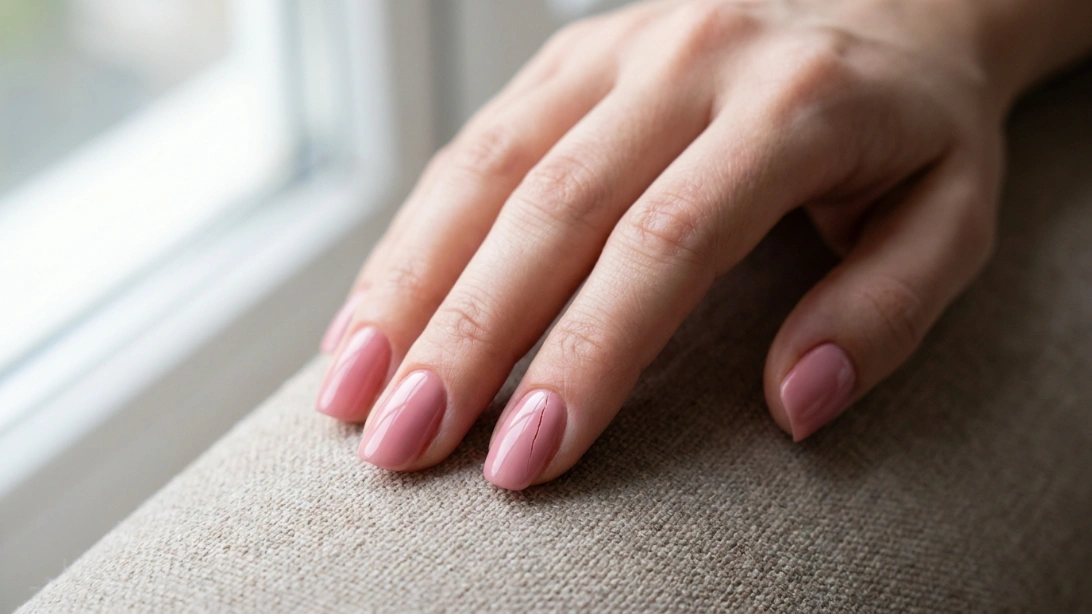
Occasional breaks are normal — nails are constantly growing, and the free edge (the part past your fingertip) is the most fragile section on any hand. What’s not normal is breaking every week, breaking at the same weak point every time, or nails that seem to peel in layers instead of snapping cleanly. That pattern usually points to a habit or moisture issue rather than bad luck.
A useful gut check: if breakage started right after a specific change — a new gel removal habit, a new soap, more time in water — that timing is almost always your answer.
Are You Actually Dehydrating Your Nails?
Dry, brittle nails break more easily than flexible ones, and dehydration is one of the single biggest causes of nails that snap instead of bending.
The most common dehydrators are:
- Frequent hand-washing or dishwashing without reapplying moisture after
- Alcohol-based hand sanitizer used several times a day
- Acetone nail polish remover used too often or left on too long
- Dry indoor heat in winter
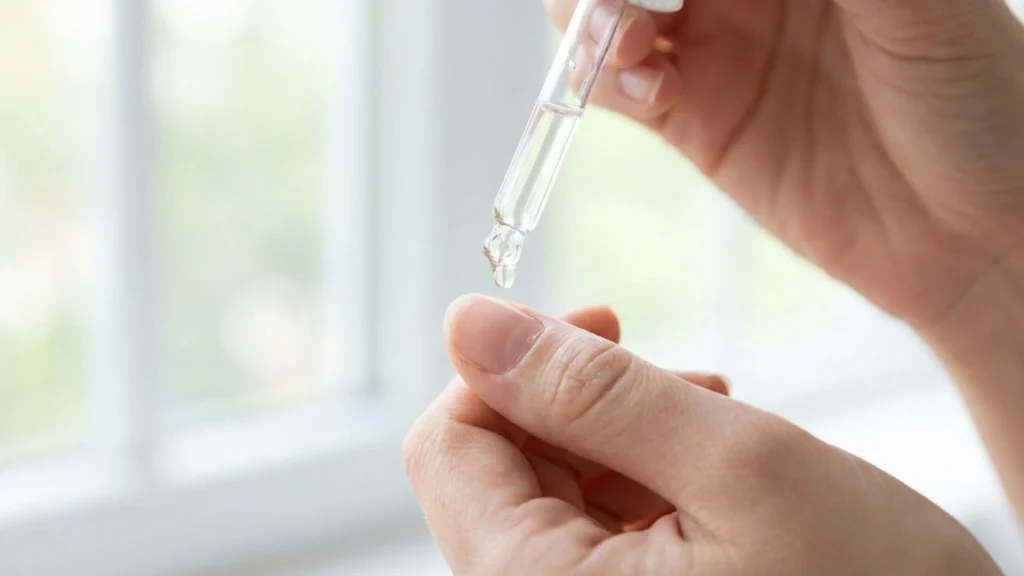
Cuticle oil applied daily — not just at your manicure appointment — is the single most repeated fix across nail-health sources, and it’s also the cheapest one to actually stick with.
Is Filing or Removal Technique the Real Problem?
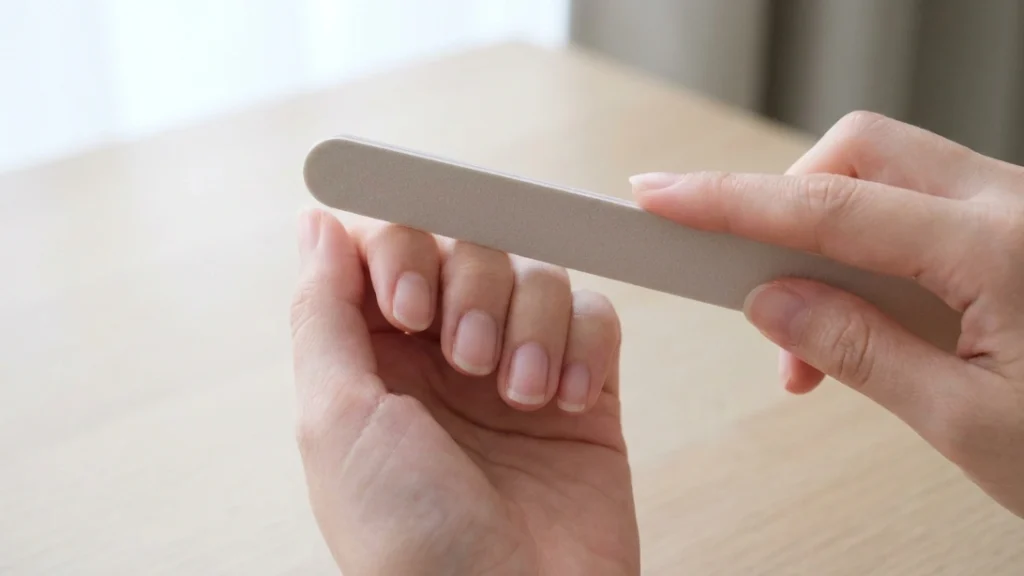
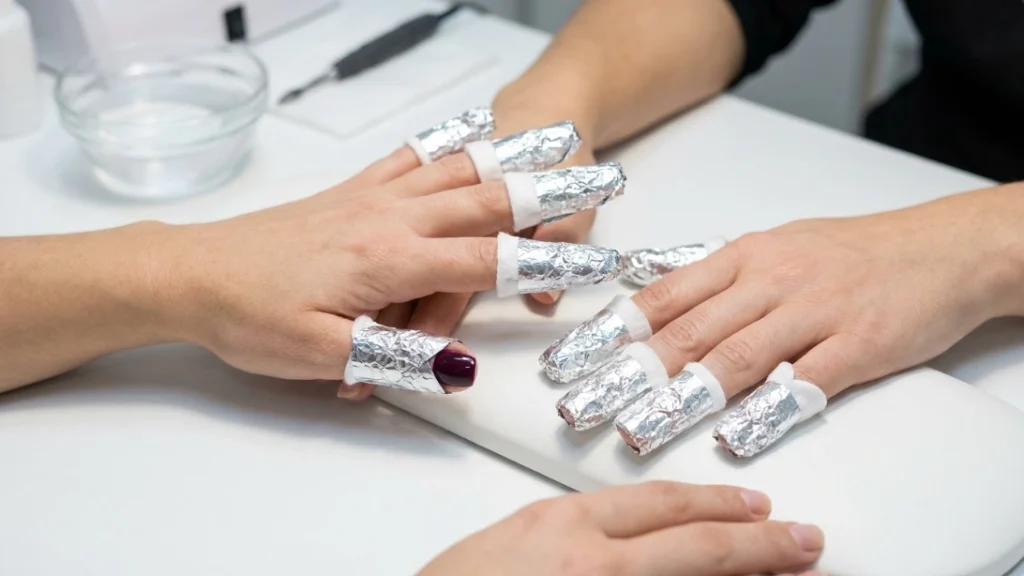
This is the cause people underestimate the most. Filing back and forth (a “sawing” motion) instead of filing in one direction weakens the nail’s layered structure and makes splitting far more likely. So does picking or peeling off gel polish, dip powder, or acrylic instead of soaking it off properly — that technique strips healthy nail layers along with the product, leaving the nail thinner and more break-prone for weeks afterward.
If you get gel or acrylic regularly, this is very often the actual root cause, not the polish itself.
Could It Be Nutrition or a Growth Issue?
Nail growth and strength are connected to overall diet, and slow or brittle growth is sometimes tied to gaps in biotin, iron, or protein intake. This is genuinely worth looking into if breakage is paired with very slow growth or nails that seem thin all over rather than just breaking at the tip — but it’s also the piece that’s hardest to self-diagnose from a blog post, so it’s the one area where checking in with a doctor makes more sense than guessing at a supplement.
Is It Just Everyday Friction?
Typing, opening cans, gardening, doing dishes, even texting a lot — these all put repeated small stress on the same edge of the nail, especially if your nails are on the longer side. This is the most “boring” cause on this list, but it’s also the most common one nobody thinks to blame, because it doesn’t feel like a cause — it just feels like life.
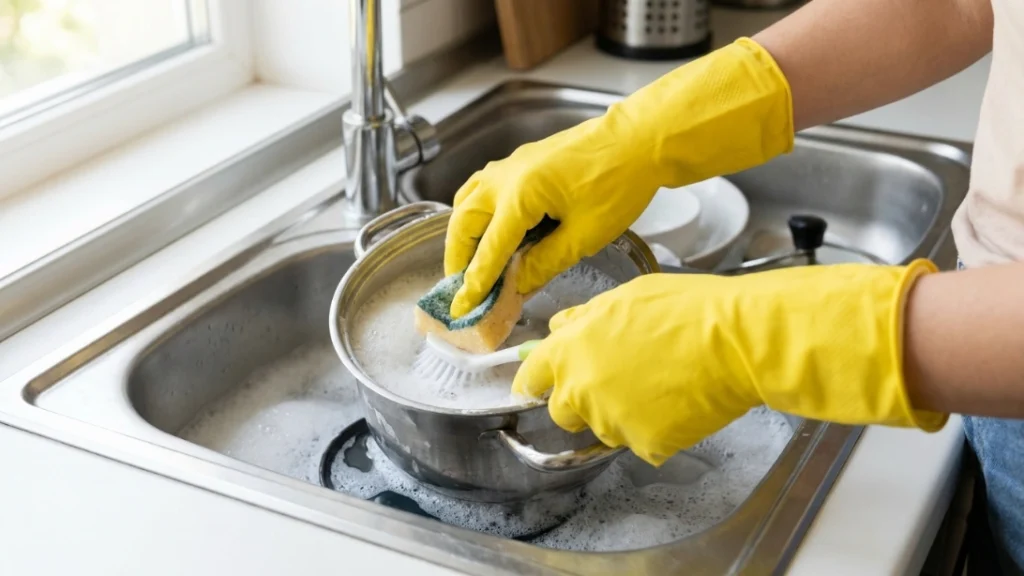
Keeping nails a touch shorter, or using gloves for dishes and gardening, solves this one almost immediately for most people.
Does Nail Shape or Length Make Breaking More Likely?
Shape and length matter more than most people expect. Square and long almond shapes concentrate stress at the corners, which is exactly where a lot of “why do my nails keep breaking” complaints trace back to — a sharp corner catches on fabric, hair, or a car door far more easily than a rounded edge does. Extremely long nails of any shape also have more unsupported length past the fingertip, so there’s simply more nail available to bend and snap under normal use.
This doesn’t mean you have to keep nails short to stop the breaking. Rounding off sharp corners slightly, and keeping length in proportion to how hands-on your day actually is, solves most of this without giving up the length altogether. If nails keep breaking specifically at the corners rather than across the whole free edge, this is very likely your answer.
Are Your Products Actually Making It Worse?
Not every product marketed as “strengthening” is doing what the label suggests. Some hardening formulas work by dehydrating the nail plate, which can leave nails harder but also more brittle and more likely to crack under pressure rather than flex. Formaldehyde-based hardeners in particular are known to cause exactly this trade-off with regular use.
Regular base coats, top coats, and polish removers matter too. Removers with a high acetone concentration used multiple times a week strip natural oils faster than they can be replaced, which loops back into the dehydration cause already covered above. If nails keep breaking despite a genuinely good care routine otherwise, it’s worth checking whether a “strengthening” product in the rotation is quietly working against you.
Quick Reference: Common Causes at a Glance
| Cause | Sign to Look For | Simple Fix |
|---|---|---|
| Dehydration | Nails feel dry, snap instead of bend | Daily cuticle oil, less acetone |
| Poor filing/removal technique | Splitting at the same spot repeatedly | File one direction, soak off gel/acrylic |
| Nutrition gaps | Slow growth, thin all over | Talk to a doctor before supplementing |
| Everyday friction | Breaks at the free edge during normal tasks | Shorter length, gloves for chores |
| Dry environment | Worse in winter or with frequent hand sanitizer | Moisturize after every wash |
| Shape/length | Breaks specifically at the corners | Round off sharp corners, size length to lifestyle |
| Harsh products | Nails feel hard but crack easily | Skip formaldehyde hardeners, limit acetone use |
For a simple daily routine that supports growth without guessing at supplements, our nail growth tips page breaks down what actually helps.
Most people dealing with nails that keep breaking are actually dealing with two or three of these at once rather than a single cause — a dehydrated nail that’s also being picked at during Zoom calls, for instance, breaks far more easily than either issue would on its own. Working through the list above one cause at a time, rather than changing everything simultaneously, makes it much easier to actually tell what fixed it.
My Own Fix That Actually Worked
For me, it wasn’t dehydration — it was picking at gel polish during Zoom calls without even noticing I was doing it. I didn’t connect the two until I went two full months without a single gel manicure and the breaking almost completely stopped. Cuticle oil helped at the margins, but removing the picking habit was the actual fix, not the products I kept buying to compensate for it.
Quick FAQ
Why do my nails keep breaking even though I use cuticle oil? Cuticle oil helps with dehydration specifically, but it won’t fix breakage caused by filing technique, picking at product, or everyday friction — those need a habit change, not just more oil.
Why do my nails keep breaking at the same spot? A repeated weak point almost always means a technique issue (filing direction, removal habit) rather than a nutrition or hydration problem, since diet-related weakness usually shows up across the whole nail, not one exact spot.
When should I actually see a doctor about breaking nails? If breakage comes with pain, discoloration, swelling, or very slow growth across all your nails at once, that’s worth a real appointment rather than more at-home troubleshooting.