Milky Nails vs. Glazed Donut Nails: The One Real Difference
There are currently five different sheer manicures circulating at once, and most people asking for one at the salon are accidentally describing a different one. Milky, glazed, ice cream, strawberry milk, syrup. In a thumbnail, they all look roughly the same, soft, pale, glowing. In practice, they are made through genuinely different techniques, and two of them in particular get confused more than any other pairing in this entire trend cycle: milky nails and glazed donut nails.
The good news is that the actual difference in the milky nails vs glazed donut debate comes down to one physical detail, not a vague stylistic judgment call. Once you know what that detail is, you’ll never mix the two up again, and more importantly, you’ll know exactly what to ask for the next time you’re in the chair.
Why the Confusion Happens So Often
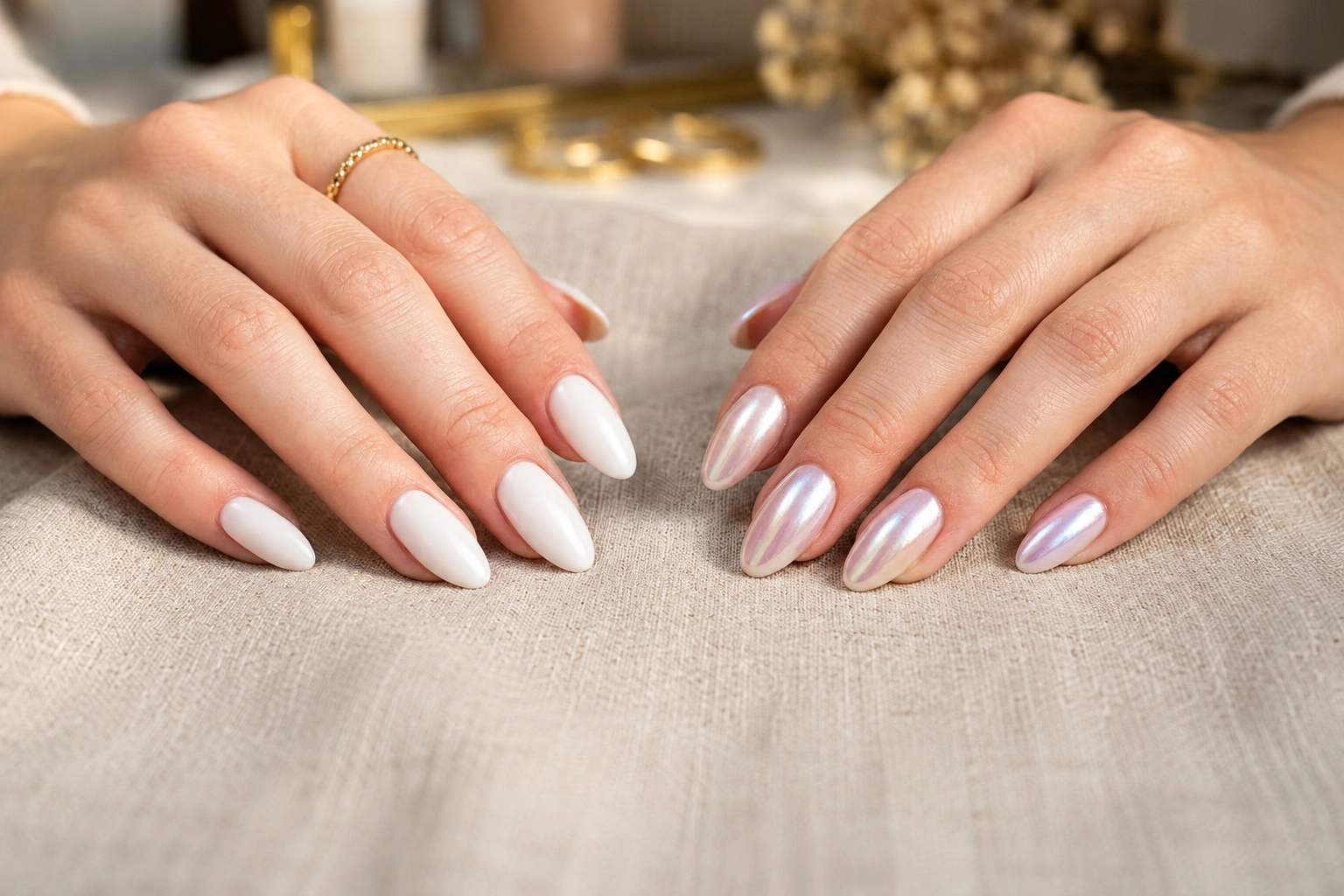
Part of the reason milky nails vs glazed donut keeps coming up as a search question is that both trends emerged from the same broader shift toward sheer, translucent manicures, and both were popularized by overlapping celebrity nail artists around the same time. Scrolling through a feed, a soft white nail and a soft white nail with a faint shimmer read almost identically in a small thumbnail, especially in flat lighting where the chrome effect doesn’t have much to catch. It’s only once you see the two side by side, or try to recreate one at home using the wrong method, that the actual gap between them becomes obvious.
This is also why so many salon appointments go slightly sideways. A tech hearing “milky” and a tech hearing “glazed” are picturing two different product lists before you’ve even sat down, which is exactly why naming the technique, not just the color, matters as much as it does.
The One Thing That Actually Separates Them
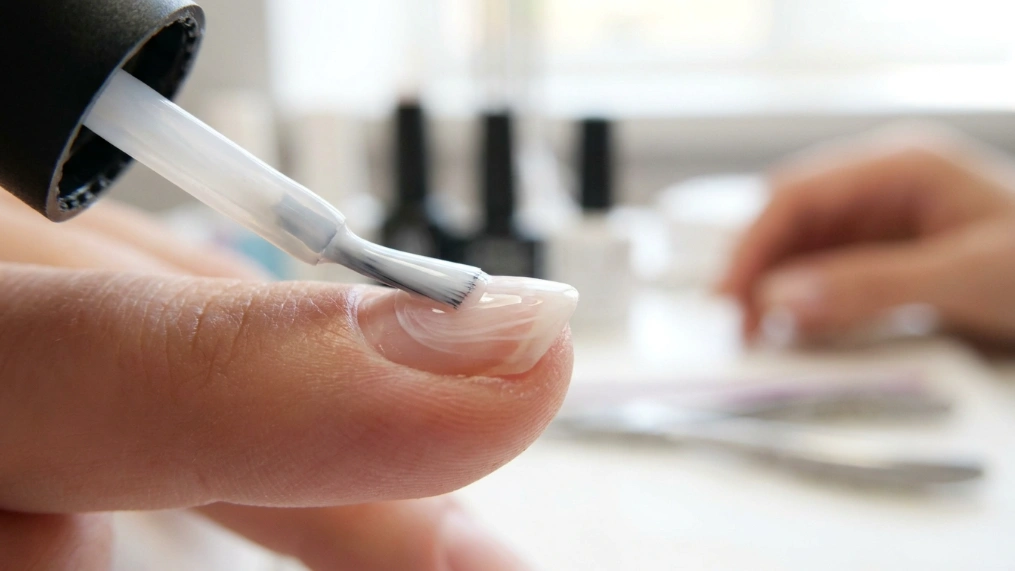
Milky nails get their signature soft, creamy look from layered sheer polish and a glossy top coat. Two to three thin coats build up the depth, and the final gloss coat gives it that wet, glass-like finish. Nothing about this process involves powder, chrome, or any additional product beyond the polish itself.
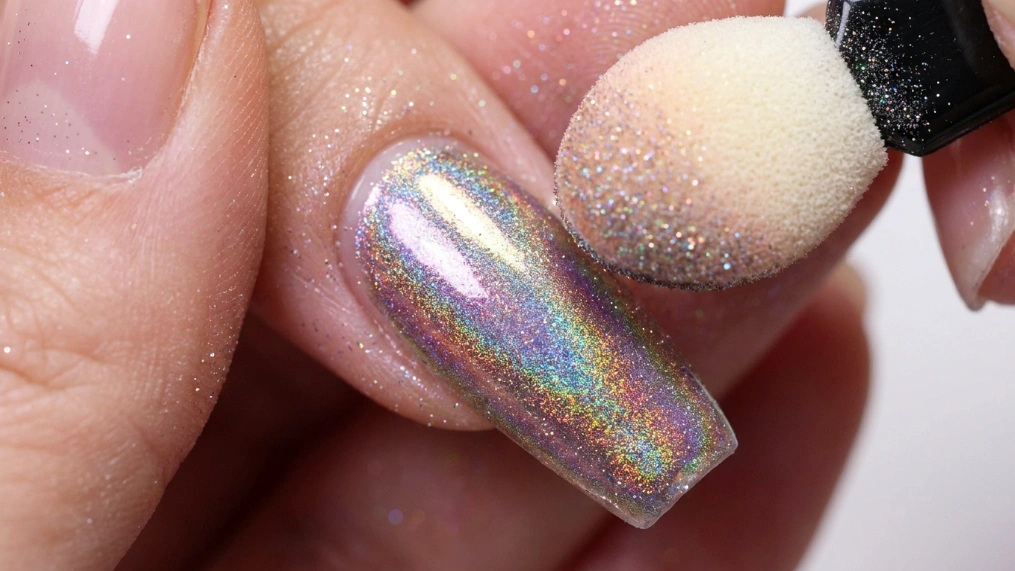
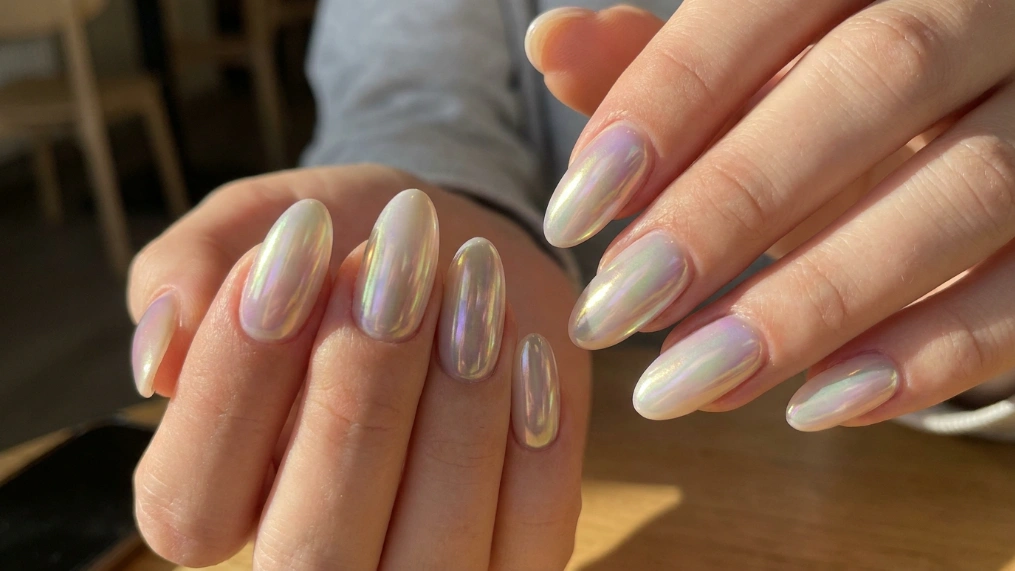
Glazed donut nails work differently at a technical level, even though the finished look shares that same dreamy, luminous quality. The process starts with a cured gel base, then a fine pearlescent chrome powder gets buffed directly onto the surface before a final sealing top coat locks it in. That powder step is the entire difference. It’s what creates the iridescent, color-shifting shimmer that glazed donut nails are known for, and it’s a step that simply does not exist in a milky manicure.
So if you remember nothing else from this milky nails vs glazed donut comparison: milky comes entirely from the polish, glazed comes from a powder applied on top of the base. Everything else about how each one looks, wears, and gets requested at a salon flows from that one distinction.
Side-by-Side Comparison
| Milky Nails | Glazed Donut Nails | |
|---|---|---|
| Technique | Layered sheer polish, gloss top coat | Chrome powder buffed over cured base |
| Finish | Soft, creamy, matte-adjacent glow | Iridescent, color-shifting shimmer |
| Extra product needed | None beyond polish and top coat | Pearlescent chrome powder |
| Best for | Everyday wear, subtle elegance | Events, photos, statement occasions |
| Salon time | Comparable to a standard manicure | Slightly longer due to powder step |
| At-home difficulty | Beginner-friendly | Moderate, powder application takes practice |
Neither one is objectively better. Milky reads quieter and more wearable day to day, while glazed reads more dramatic under light and photographs with a shimmer milky simply can’t produce on its own.
How to Actually Ask for Each One
This is the part that saves you from an awkward back-and-forth in the chair. For milky nails, say exactly that: “milky nails, sheer white or sheer pink polish, no chrome, just a glossy top coat.” For glazed donut nails, be specific about the powder step: “glazed donut nails, sheer or milky base, then chrome powder buffed over it for the pearl finish.” Naming the powder specifically is the detail that prevents a tech from defaulting to a plain milky look when what you actually wanted was the shimmer version.
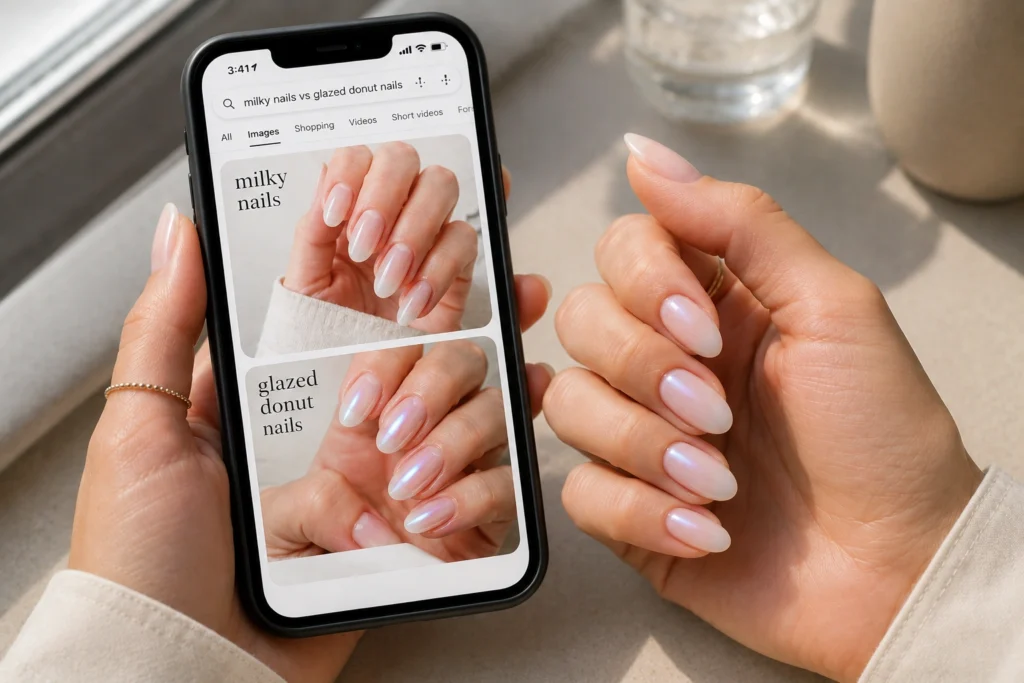
If you’re not sure which one you want until you see them side by side, bringing one reference photo of each and asking your tech to point out which finish matches which photo is a completely reasonable way to settle it on the spot.
They Can Also Be Combined, On Purpose
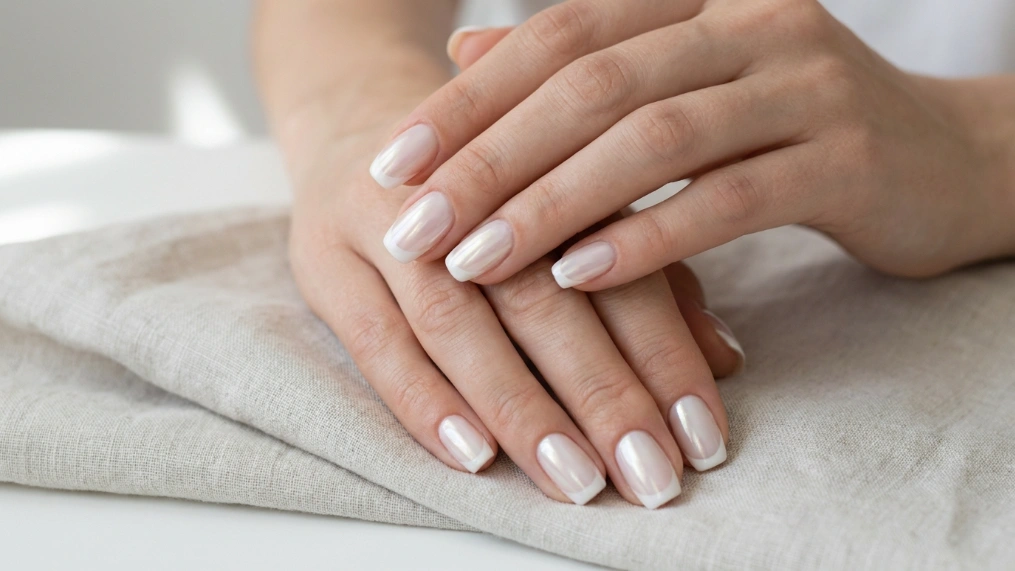
Here’s a detail most comparison posts skip entirely: milky and glazed donut aren’t mutually exclusive. A milky French tip finished with a pearl glaze swept over the whole nail is a genuinely popular combination right now, since it layers the soft, diffused French tip against a shimmer that catches light the way the inside of a shell does. If you like elements of both, there’s no rule saying you have to pick a single lane.
Does One Last Longer Than the Other
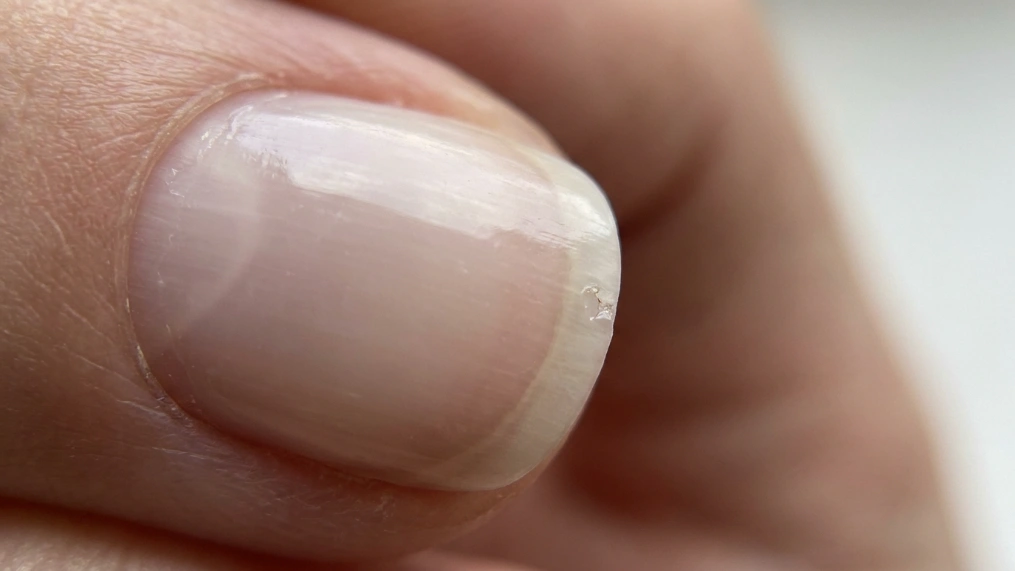
Both hold up reasonably well in gel form, generally two to three weeks before a fill starts to matter. Milky nails have a small practical edge in one specific way: because the finish is already sheer and translucent, small chips and tip wear are noticeably harder to spot than they would be on a solid, opaque color.
Glazed donut nails wear well too, but the chrome layer can show scuffing at the tips slightly sooner, since the shimmer makes any dulling more visible than it would be on a plain sheer base.
A Quick Personal Note Before You Book Either
I made this exact mistake myself the first time I tried to book a “glazed” look and ended up with a plain milky set instead, because I described the color without mentioning the powder. It wasn’t a bad manicure, it just wasn’t the one I actually wanted, and it taught me that the words you use in the chair matter more than the reference photo you bring.
Which One Should You Actually Choose
If your priority is something that goes with everything, hides small imperfections, and reads as effortlessly polished rather than statement-making, milky nails are the safer everyday pick. If you have an event coming up, want something that photographs with real dimension, or you’re simply drawn to shimmer and shine, glazed donut is worth the slightly longer salon appointment.
For a deeper look at the milky side of this comparison, our full milky nail trend guide covers shades, shapes, and styling in more depth, and if the chrome side is what actually caught your eye here, our chrome nails guide walks through the powder application technique step by step.
According to Wikipedia’s overview of nail polish composition, sheer and opaque finishes rely on different pigment concentrations within the same base formula, which is part of why a milky polish and a solid opaque polish can come from the same product line but behave so differently on the nail.
One Comment