Rubber Base Gel: What It Is, How to Apply It, and How to Remove It Safely
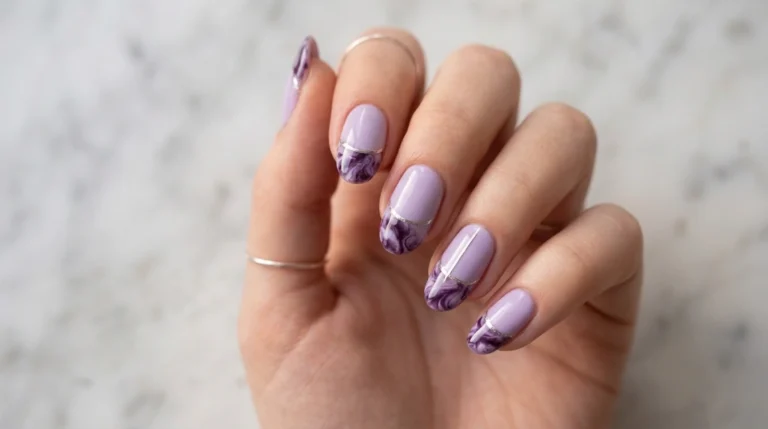
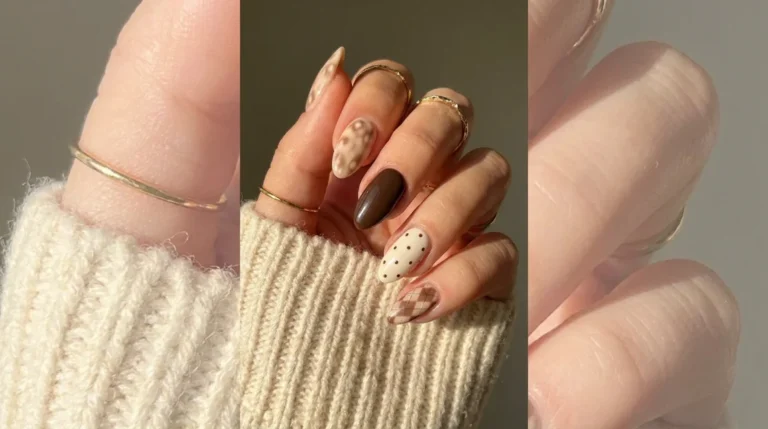
Rubber base gel is a thicker, more flexible semi-permanent base gel that levels out ridges, strengthens thin or brittle nails, and helps color polish last longer without lifting. It’s applied like a regular gel base, cured under a lamp, and can be worn alone for a clean natural look or under color and nail art.
If you’ve heard nail techs mention it and wondered whether it’s worth switching to, or you already use it and can’t get it to come off cleanly, this covers the whole process from application to safe removal.
What Is Rubber Base Gel
Rubber base gel is a denser, more elastic version of a standard semi-permanent gel base. Where a regular base sits thin and flat, rubber base gel has a self-leveling, almost syrupy texture that fills in ridges and small dents in the nail plate as it’s applied, rather than just sitting on top of them.
That flexibility is the whole point. A stiffer base can crack or lift at the edges as a nail flexes throughout the day. Rubber base gel moves with the nail instead of fighting it, which is a big part of why manicures done with it tend to last longer without chipping at the tips or lifting near the cuticle.
What Rubber Base Gel Is Used For
Rubber base gel does more than one job in a manicure:
- Strengthens weak or thin nails by adding a flexible protective layer over the natural nail plate
- Levels ridges and unevenness so color polish sits flat and smooth instead of showing every bump underneath
- Improves polish adhesion, which means fewer chips and less lifting between fills
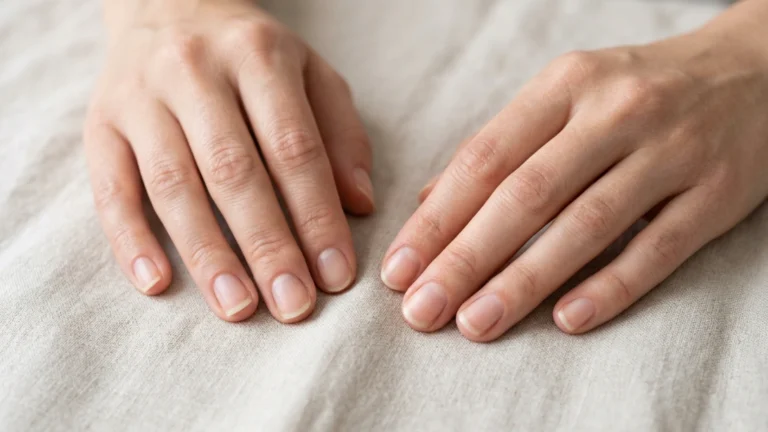
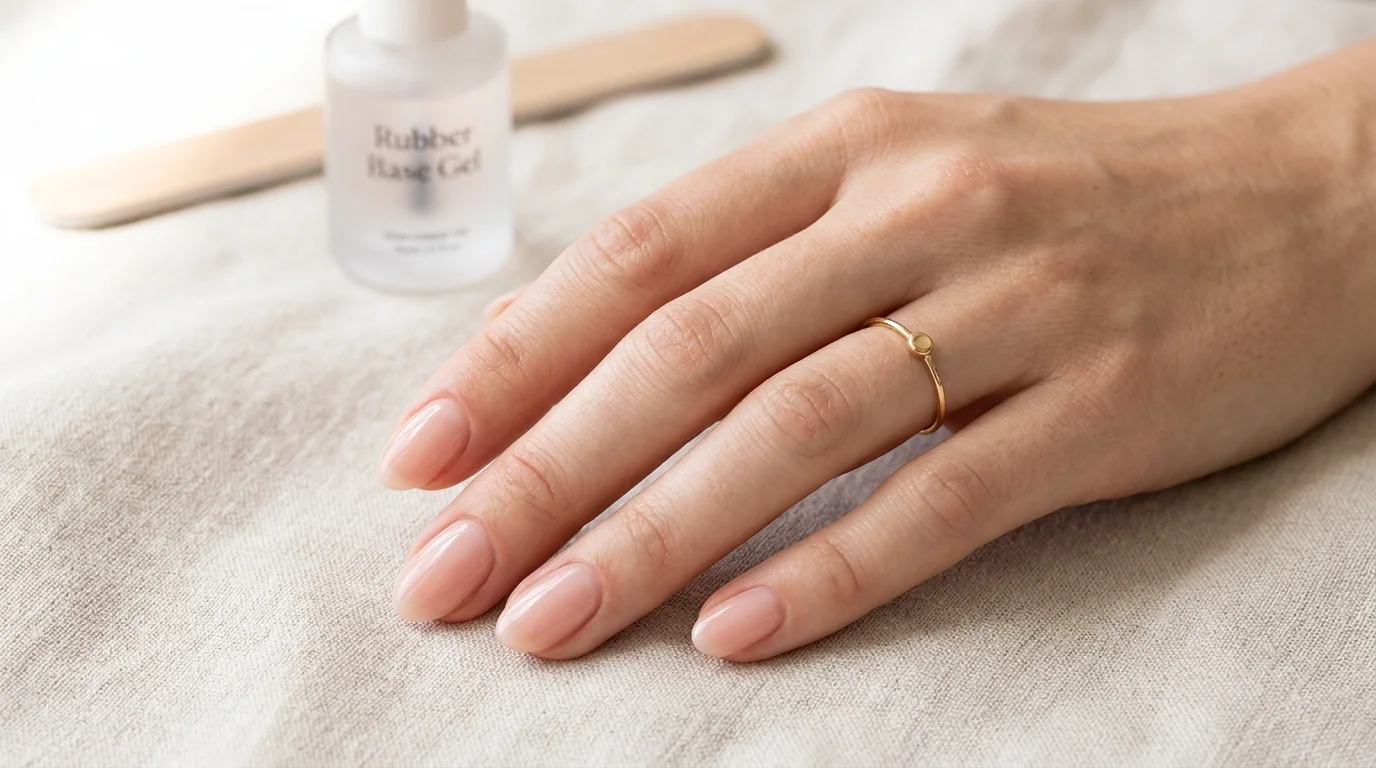
- Works as a standalone finish for a bare, glassy, minimalist look with no color on top at all
It’s especially useful if your natural nails peel, flake, or have visible ridges, since the gel’s texture actually corrects the surface rather than just coating it.
How to Apply Rubber Base Gel
- Prep the nail. Push back and trim cuticles, lightly buff away shine from the nail plate with a fine buffer, and wipe with a lint-free pad.
- Apply a thin base coat first if your kit calls for one, then apply the rubber base gel itself. Use a thin layer if you mainly want better polish adhesion, or a thicker layer if you’re correcting ridges or thin nails and want more structural reinforcement.
- Cure under an LED or UV lamp for the time listed on the product, typically 30 to 60 seconds under LED.
- Continue as normal with color polish, nail art, or leave the rubber base gel bare for a clean, natural finish.
- Seal with a top coat and cure again if you’re adding color.
How to Remove Rubber Base Gel Safely
This is the part most people get wrong, mainly because rubber base gel is more resistant to acetone than a standard soft gel polish, so the usual 10 minute soak often isn’t enough.
- File off the shine. Use a coarse file (100 to 180 grit) to lightly rough up the top layer of the gel. You’re not trying to file it all off, just breaking the sealed surface so acetone can actually get underneath.
- Soak cotton pads in 100% pure acetone and place one over each nail.
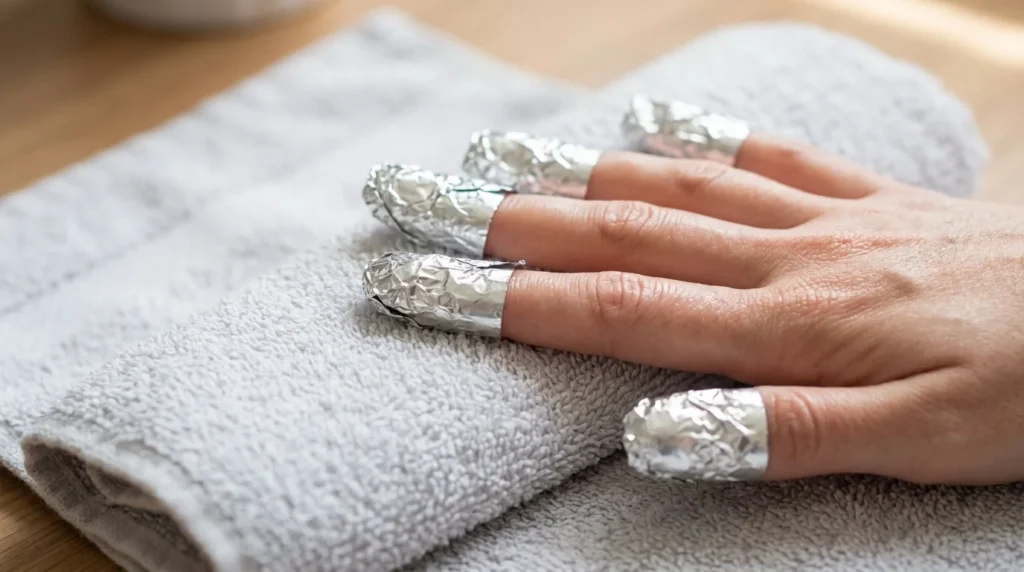
- Wrap each finger in foil to hold the pad in place and trap the acetone against the nail.
- Wait 15 to 20 minutes. Rubber base gel typically needs longer than a standard gel polish soak because of its denser texture, so don’t rush this step or start scraping early.
- Gently push off the softened gel with a cuticle stick, working from the base toward the tip. If it resists, rewrap and soak for another 5 minutes rather than scraping harder.
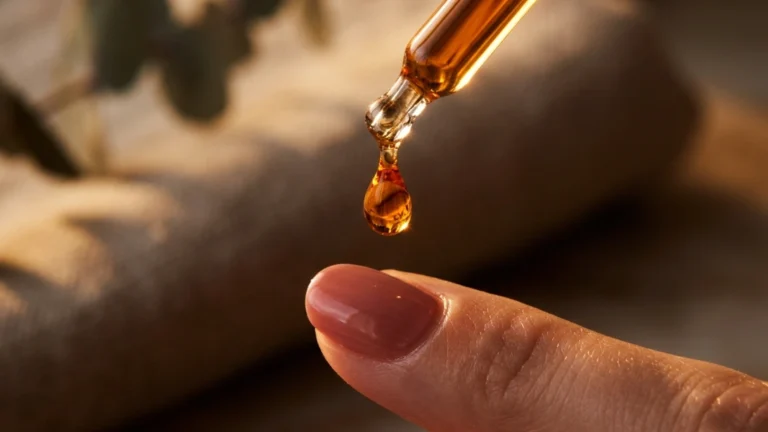
- Buff the nail lightly to smooth any remaining residue, then wash your hands and apply cuticle oil and a moisturizer, since acetone soaks are dehydrating.
Never peel or pry rubber base gel off while it’s still hard. Because it’s more flexible than standard gel, it tends to hold onto the nail plate more stubbornly when pulled, and forcing it off can take healthy layers of the natural nail with it.
Who Rubber Base Gel Is Best For
Rubber base gel is worth trying if:
- Your natural nails are thin, brittle, or prone to peeling
- You notice visible ridges or unevenness that regular polish doesn’t hide
- Your manicures normally chip or lift at the tips before the two week mark
- You want a bare, glassy manicure with reinforcement but no added length
It’s less necessary if your nails are already naturally smooth and strong, where a standard gel base will do the job with less product buildup over time.
FAQ
Is rubber base gel the same as regular gel polish? No. Regular gel polish is a thinner, mostly cosmetic layer of color. Rubber base gel is a structural base product, denser and more flexible, applied underneath color or worn alone to strengthen and level the natural nail.
Why won’t my rubber base gel come off with a normal soak? Because of its denser, more flexible texture, rubber base gel typically needs a longer acetone soak than standard gel polish, along with lightly filing the surface first so the acetone can actually reach the gel underneath.
Can I apply rubber base gel over natural nails without any color? Yes. Rubber base gel is often worn alone for a clean, glassy, minimalist finish, and this is one of its most popular uses since it strengthens nails without requiring a color commitment.
How often can I use rubber base gel without damaging my nails? Rubber base gel itself isn’t damaging when applied and removed correctly. Most of the damage associated with it comes from improper removal, specifically peeling or over-filing, so as long as each removal follows a full soak, it can be used on an ongoing fill schedule.
Will acetone leave any sticky glue-like residue on my nails after removing rubber base gel? It can, especially if the soak was cut short. That tacky leftover film is handled the same way you’d clear up any stubborn adhesive residue: a warm soap and oil soak followed by a gentle scrape, rather than picking at it dry. Our guide on how to remove nail glue residue covers that exact soak-and-scrape method in more detail if the film doesn’t lift with acetone alone.
According to Healthline’s overview of gel manicure safety, most nail damage linked to gel manicures comes from improper removal rather than the gel itself, which lines up with why a full soak matters more for rubber base gel than for a standard polish.