
Tomato Red Nails: The Glazed Manicure Every College Girl Is Wearing
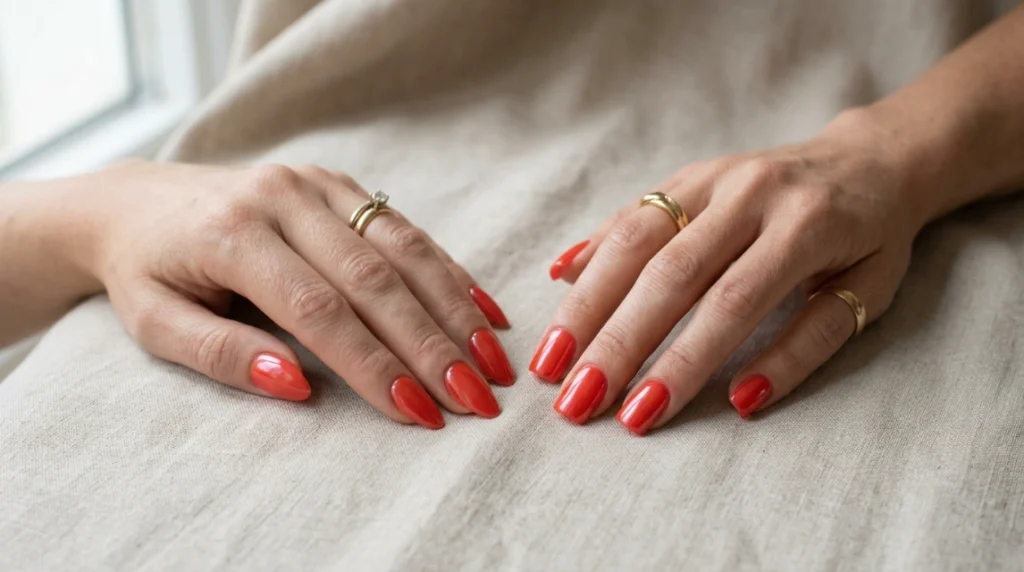
Tomato red nails are having a real moment on campus this year, and it’s not hard to see why. The shade sits warmer and brighter than a classic cherry or blood red, and when it’s finished with a glazed, high-shine topcoat, it looks less like polish and more like glass. It’s the kind of manicure that photographs well under fluorescent lecture hall lights and still looks intentional walking into a night out. If you’ve been scrolling nail inspo and keep landing on the same juicy, wet-look red, this is the trend, and here’s exactly how to get it.
What Makes Tomato Red Different From Classic Red
Tomato red nails lean slightly orange-warm compared to a true cherry red, which usually pulls a bit blue or pink underneath. Think of the actual fruit: a ripe tomato isn’t quite fire-engine red, it has that warm, saturated undertone that reads as confident without tipping into orange territory. On the nail, this warmth is flattering across a wide range of skin tones because it doesn’t compete with undertones the way a cooler true red sometimes can.
The other half of the trend is the finish. A glazed topcoat, applied thick and cured to a mirror-like shine, is what separates a good tomato red manicure from a flat one. The glossy layer catches light and makes even a simple, one-color manicure look elevated.
Getting the Glazed Finish at Home
You don’t need a salon appointment to pull this off. Here’s the basic process:
- Push back cuticles and shape nails into a rounded or soft almond shape, since these shapes tend to show off a glossy finish the best.
- Apply a clear base coat and let it fully dry.
- Apply two thin, even coats of your tomato red polish, letting each coat dry before the next.
- Finish with a high-shine, non-matte topcoat, applying it slightly thicker than usual for that glazed, wet-look effect.
- Cap the free edge on every coat to seal in shine and add wear time.
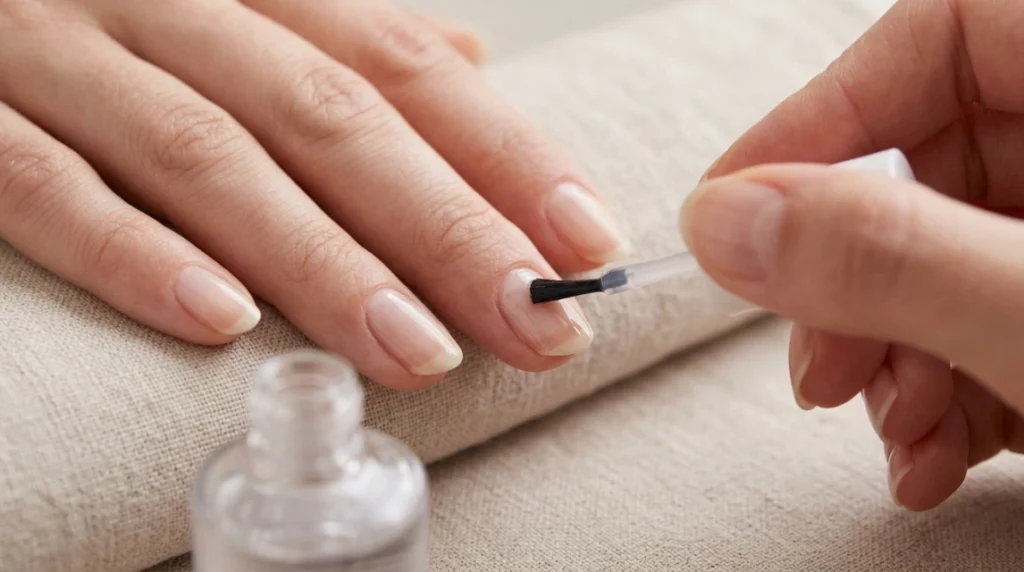
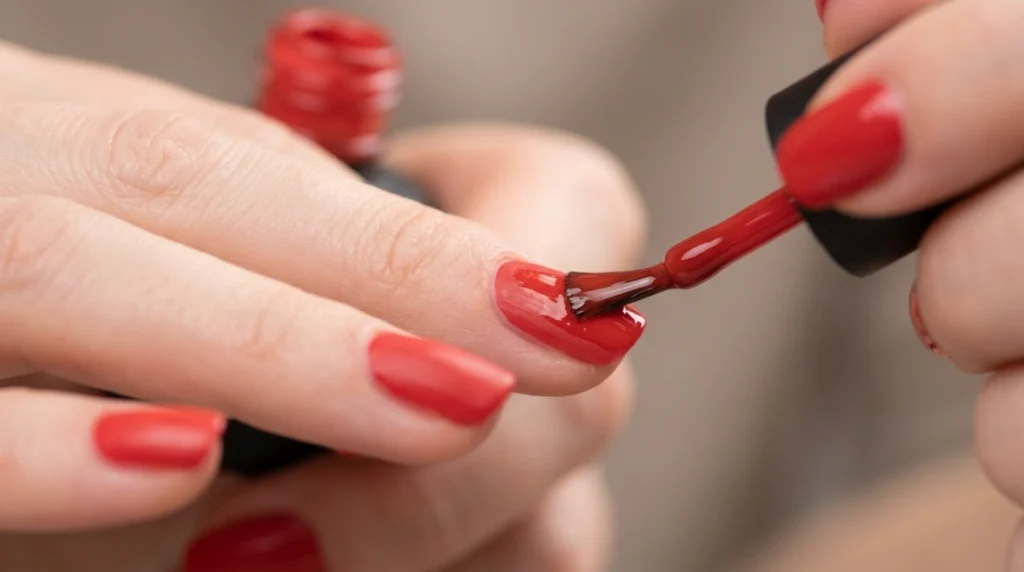
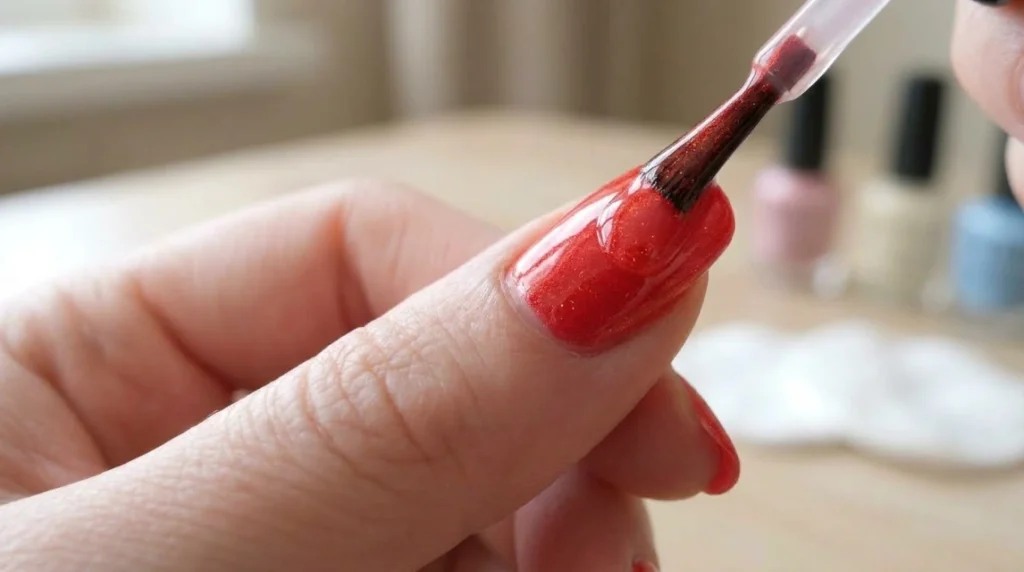
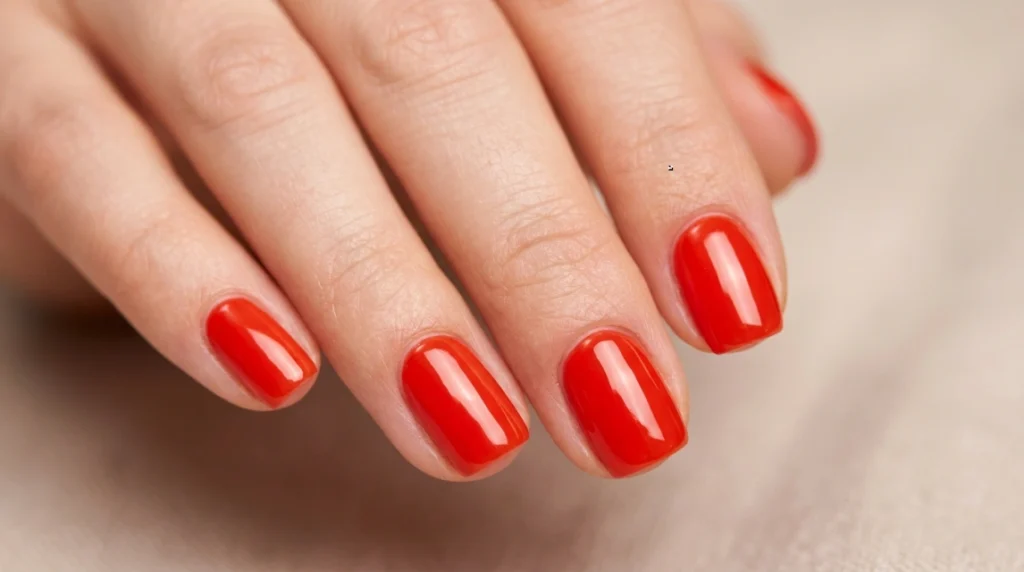
If you’re using gel polish instead, the same steps apply, just cure each layer under your UV or LED lamp before moving on, and finish with a glossy no-wipe topcoat for the deepest shine.
Why This Trend Fits Campus Life Specifically
A lot of the energy behind this manicure has nothing to do with the color chart and everything to do with timing. Students moving into a new semester are often experimenting with a bolder, more expressive personal style than they wore in high school, and a saturated, glassy red nail is an easy, low-commitment way to do that. It works for early morning classes and it works walking into a party that night, which matters when you don’t have time to redo your nails between the two.
The finish also happens to be practical. A glazed topcoat adds a layer of durability on top of the color, which matters when your hands are doing a lot: typing notes, carrying a coffee, digging through a backpack. It won’t outlast a professional gel set, but it holds its shine noticeably longer than a plain glossy topcoat alone.
Tomato Red Nails on Different Shapes
This color and finish combination works on almost any shape, but a few pairings stand out:
Short almond nails keep the look polished and low-maintenance, which suits a packed class schedule. The tapered tip also makes the glaze effect look extra glossy since light hits the curved surface evenly.
Squoval nails give the color a slightly more classic, rounded presentation, good if you want the manicure to read a little more put-together for presentations or interviews.
Medium coffin nails give the glaze more surface area to shine, making the wet-look effect even more dramatic, though this shape needs a bit more upkeep to keep edges from chipping.
Making It Last Through a Full Week
Tomato red is a saturated, pigment-heavy shade, which means chips and wear show up faster than they would on a lighter color. A few things help it hold up:
- Reapply a thin layer of topcoat every two to three days to refresh the shine and add a protective layer.
- Wear gloves for dish washing or heavy cleaning, since hot water and detergent break down polish faster than almost anything else.
- Keep cuticle oil on hand and apply it daily. It doesn’t just help nail health, it also keeps the surrounding skin from looking dry next to a glossy, high-shine polish.
I’ve worn this exact combination through finals week more than once, and the one thing that actually made a difference wasn’t a fancier polish, it was religiously topcoating every other day instead of waiting for visible wear to show up.
Quick FAQ
Does tomato red nail polish suit every skin tone?
Yes, generally. Because it sits warm rather than cool or blue-based, it tends to flatter both warm and neutral undertones easily, and even cooler undertones can wear it well with a glossy rather than matte finish.
Is a glazed topcoat the same as a chrome finish?
No. A glazed finish is a super high-gloss, wet-look topcoat over color, while chrome uses a metallic powder applied over a tacky base for a mirror-like, reflective effect. Both are glossy, but chrome is reflective in a different, more mirror-like way.
How long does a glazed tomato red manicure typically last?
With standard polish, expect three to five days before visible wear. With gel polish and proper curing, it can last one to two weeks with minimal chipping.
Related Guides
If you’re building out a full glossy nail rotation, the milky nail trend is worth exploring next for a softer, quieter contrast to a bold red. For more on the glossy chrome finish mentioned above, our chrome nails guide breaks down the exact technique step by step.
Nail polish itself has a much longer history than most people realize, evolving from early lacquer formulas into the wide range of finishes available today, including the glossy topcoats behind this exact trend, as Wikipedia’s overview of nail polish explains.
Tomato red with a glazed finish isn’t a complicated look to recreate, but it’s an easy one to get wrong if you skip the topcoat step or use too thin a layer. Get that part right, and it’s one of the most confidence-boosting, low-effort manicures you can wear through a full semester.